






የኮሙዩኒኬሽን ቢሮ ይፋዊ የመረጃ መስኮት
ሕዝባችን የተሟላ፣ ትክክለኛ እና ወቅታዊ መረጃ በቅጽበት እንዲያገኝ የመንግሥትን የኮሙዩኒኬሽን መዋቅሮች በዘመናዊ የዲጂታል መሠረተ ልማቶች እናሳድጋለን። ግልጽነትና እውነተኛነት መርሐችን ነው።
የደቡብ ምዕራብ ኢትዮጵያ ሕዝቦች ክልል መንግሥት ኮሙኒኬሽን ጉዳዮች ቢሮ
የክልሉን ገፅታ የመገንባት፣ ወቅታዊና እውነተኛ መረጃዎችን ለህዝብ ተደራሽ የማድረግ እንዲሁም የመንግስትን የልማትና የመልካም አስተዳደር እቅዶች ስልታዊ በሆነ መንገድ የመምራት ኃላፊነት ያለበት የአመራር መዋቅር።
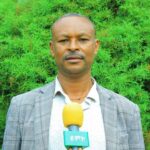
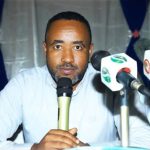
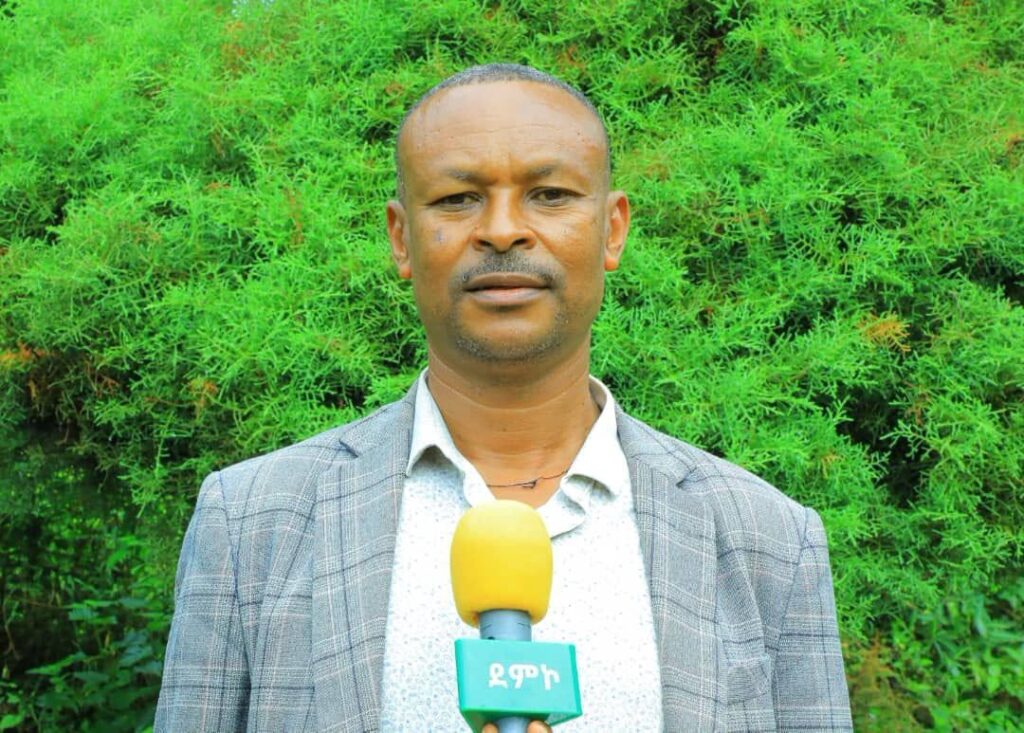
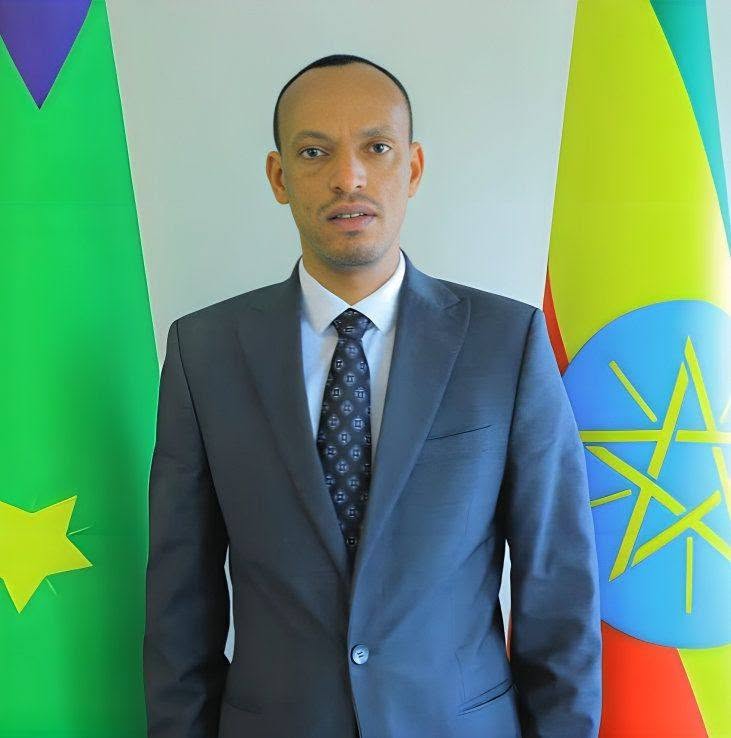
አቶ የሺዋስ አለም
የቢሮ ኃላፊ (Bureau Head)የደቡብ ምዕራብ ኢትዮጵያ ሕዝቦች ክልል የመንግሥት ኮሙኒኬሽን ጉዳዮች ቢሮን በበላይነት የሚመሩ ሲሆን፣ የክልላዊ ሚዲያ መዋቅሮችን፣ የሚዲያ ኔትወርኮችን አደረጃጀት እና የተቀናጀ የመረጃ ፍሰት ስትራቴጂዎችን በዋናነት ያንቀሳቅሳሉ።
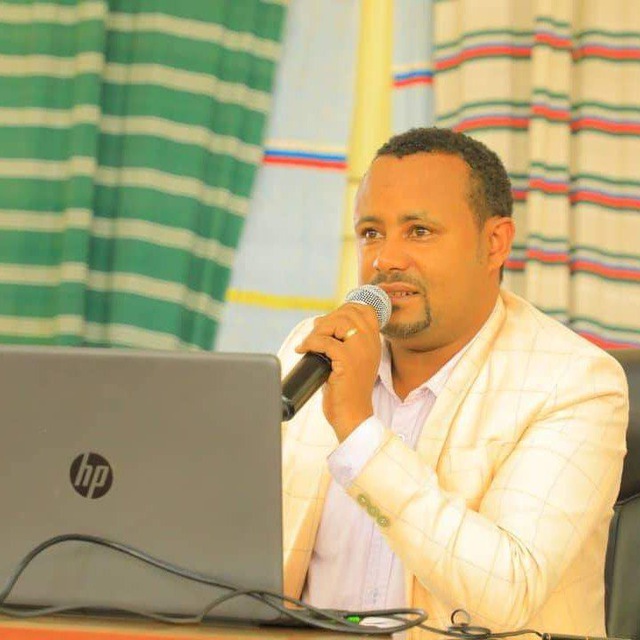
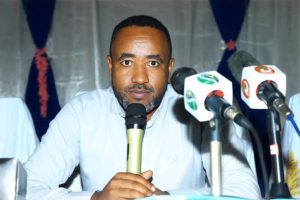
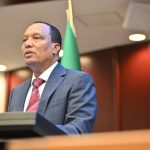
ዶ/ር መስፍን ወዳጆ
ከፍተኛ አመራር (Executive Leader)በኮሙኒኬሽን ቢሮው መዋቅር ውስጥ ተቋማዊ አቅም ግንባታን፣ የስትራቴጂክ ጥናቶችና የምርምር ዘርፎችን በመደገፍ እንዲሁም ከክልሉ ከፍተኛ የልማት አጋሮች ጋር ዲጂታልና ተቋማዊ ትስስር ለመፍጠር በኃላፊነት እየሰሩ ይገኛሉ።
የደቡብ ምዕራብ ኢትዮጵያ ህዝቦች ክልል አጠቃላይ ገጽታ
የህዝቦች የዘመናት ጥያቄ የነበረው በክልል የመደራጀት መብት በብልጽግና መንግሥት ምላሽ በማግኘቱ የደቡብ ምዕራብ ኢትዮጵያ ህዝቦች ክልል በህዳር 14/2014 ዓ.ም የፌዴሬሽኑ 11ኛ ክልል ሆኖ ተመስርቷል። ይህ አዲሱ ክልል በተፈጥሮ ጸጋ የታደለ አርንጓዴ ክልል ነው። ክልሉ በሰሜን አቅጣጫ ከኦሮሚያ ክልል፣ በምዕራብ በኩል ከጋምቤላ ክልል፣ በስተደቡብ እና በስተምስራቅ በኩል ከደቡብ ሱዳን እና ከደቡብ ብሔር ብሔረሰቦች ህዝቦች ክልላዊ መንግስት ጋር ይዋሰናል።

የክልሉ ካርታ
ክልሉ አሁን ባለው አደረጃጀት በውስጡ 6 ዞኖች፣ 16 የከተማ አስተዳደሮች፣ 41 ወረዳዎች፣ 803 የገጠር ቀበሌዎች፣ 97 የከተማ ቀበሌዎች በድምሩ 900 ቀበሌዎች ያሉት ሲሆን አጠቃላይ የቆዳ ስፋቱ 39,061.4 ስኩዌር ኪ/ሜ (3.91 ሚሊዮን ሄክታር) እንደሚሆን ይገመታል። ክልሉ የብዘሀ-ማዕከላት አደረጃጀትን ለሀገሪቱ ያስተዋወቀ ሲሆን አራት ዋና ከተሞችና ሁለት የክልሉ ተቋማት መቀመጫ ከተሞች አሉት፡፡ እነሱም፣ ቦንጋ የክልሉ ፖለቲካና አስተዳደር መቀመጫ፣ ታርጫ፣ የክልሉ ህግ አውጪ (ምክር ቤት) መቀመጫ፣ ሚዛን-አማን የክልሉ ፍርድ ቤት መቀመጫና ቴፒ የክልሉ ብሔረሰቦች ምክር ቤት መቀመጫ ሲሆኑ አመያና ጀሙ ከተሞ ደግሞ የተወሰኑ የክልሉ ባለስልጣን መስሪያቤቶችና ኤጀንሲዎች መቀመጫ ናቸው፡፡ በአራቱ ዋና ከተሞች የክልሉ አስፈጻሚ ቢሮዎችና ሌሎች መስሪያቤቶች የተከፋፈሉ ሲሆን ይህም ፍትሀዊ የከተሞች ልማት እንዲኖር ከማድረጉ ባለፈ በክልሉ ህብረ-ብሔራዊ አንድነት እንዲሰፍን የጎላ ሚና ይጫወታል፡፡ የክልሉ መልከዓ ምድር አቀማመጥ ከባህር ወለል በላይ ከ348-3346 ሜትር ወሰን ውስጥ የሚገኝ ሲሆን የአየር ፀባዩ (ደጋ፣ወይናደጋና ቆላን ስብጥር የያዘ በመሆኑ) ለተለያዩ የግብርና ሥራዎች ምቹ ነው። ክልሉ ከስነ ምህዳራዊ ስብጥር አንፃር በረሃ 4.09%፣ ቆላ 56.50%፣ ወይናደጋ 33.51%፣ ደጋ 5.86% እና ውርጭ 0.03% የአየር ፀባይ አለው። አማካይ ዓመታዊ የዝናብ መጠኑም ከ400-2200 ሚሊሜትር ሲሆን የሙቀት መጠኑም ከ15.10 እስከ 27.50 ዲግሪ ሴንቲግሬድ ይደርሳል። የ1999 ዓ.ም የህዝብና ቤቶች ቆጠራ ውጤት መሰረት በማድረግ በተደረገው ትንቢያ በ2014 ዓ.ም የክልሉ ህዝብ ብዛት 3,610, 062 እንደሆነ የሚገመት ነው። ከአጠቃላይ የህዝብ ብዛት በገጠር 86.4% እና በከተማ 13.6% ይኖራል። ከጠቅላላው ህዝብ ቁጥር ከ15-64 ዓመት ዕድሜ ክልል ውስጥ የሚገኝ ህዝብ 52% ሲሆን ይህም በምርት ተግባር ላይ ሊሰመራ የሚያስችል የልማት ሃይል በበቂ ሁኔታ መኖሩን ያመላክታል። አብዛኛው የክልሉ ህዝብ ኑሮ የተመሰረተው በግብርና ላይ ሲሆን የተወሰኑ አርብቶ አደሮችም በክልሉ በካፋ ዞንና በምዕራብ ኦሞ ዞን ውስጥ ይገኛሉ፡፡ በክልሉ በስድስቱ ዞኖች 13 ነባር ብሔር ብሔረሰቦች ይኖራሉ። እነሱም በካፋ ዞን ካፌቾ፣ ናኦ እና ቻራ፤ በሸካ ዞን ሸካቾ፣ ሸኮ እና ማጃንግ፤ በቤንች-ሸኮ ዞን ቤንች እና ሸኮ (ሸኮ በሸካ እና ቤንች-ሸኮ ዞኖች ውስጥ ይኖራል)፤ በምዕራብ ኦሞ ዞን ሜኣን (ሜኤኒት)፣ ሱሪ፣ ዲዚ እና ዝልማሞ ሲሆኑ በዳውሮ ዞን ዳውሮ እና በኮንታ ዞን ኮንታ ብሔረሰቦች ይገኛሉ።በተጨማሪም ከብዙ የኢትዮጵያ ብሄሮች እና ብሄረሰቦች የተውጣጡ ህዝቦች በብዙ የክልሉ አካባቢዎች ይኖራሉ። በሀገሪቱ ከሚገኙ ብሔራዊ ፓርኮች ውስጥ የኦሞ እና ጨበራ ጬርጬራ ብሔራዊ ፓርኮች የሚገኙበት ክልል ሲሆን በተጨማሪነትም በካፋና በሸካ ዞኖች በተባበሩት መንግሥታት የሳይንስ፣ የትምህርትና የባህል ድርጅት (UNESCO) የተመዘገቡ ለቱሪዝም ልማት ዕምቅ አቅም ያላቸው ሁለት ባዮስፌር ሪዝርሾች ይገኛሉ። እንዲሁም በሰው ሰራሽና በተፈጥሮ ያሉ በቀጣይ ተከልለው በፓርክነት ሊለሙ የሚችሉና ለቱሪዝም ልማት ሊውሉ የሚችሉ ትላልቅ ፏፏቴዎች፣ ፍል ውሃዎች፣ የተፈጥሮ ድልድዮችና መሳሰሉት ስፍራዎች ይገኛሉ።የደቡብ ምዕራብ ኢትዮጵያ ህዝቦች ክልል በሀገሪቱ የውጭ ምንዛሪ ግኝት ከፍተኛ ድርሻ ያላቸው የተለያዩ እምቅ የተፈጥሮና የግብርና ሀብቶች ባለቤት ነው፡፡ የቡና መገኛ መንደር ማኪራ በክልሉ ካፋ ዞን የሚገኝ ሲሆን አብዛኛው የክልሉ አካባቢዎችም የቡና አብቃይ ናቸው፡፡ በመሆኑም ከኦሮሚያ ክልል ቀጥሎ በሀገሪቱ ከፍተኛ የቡና አምራች ክልል ነው፡፡ የሀገሪቱን ከ80% በላይ የሻይ ምርት ለሀገር ውስጥና ውጪ ገበያዎች የሚያቀርቡ የውሽውሽና የጫዋቃ ሻይ ልማቶችም በክልሉ ይገኛሉ፡፡ በተጨማሪም የተለያዩ የቅመማቅመም ምረቶች እንደ ኮሮሪማ፣ ጥምዝ፣ ቁንዶ በርበሬ፣ እርድ የመሳሰሉት በክልሉ ይመረታሉ፡፡ ፍራፍሬም እንደ ሙዝ፣ አቮካዶ፣ ማንጎ፣ አናናስ ያሉ በተለያዩ የክልሉ አካባቢዎች የሚመረቱ ሲሆን በሀገሪቱ ገበያም የማይናቅ ድርሻ አላቸው፡፡ ክልሉ በርካታ የገፀ-ምድር ውሀ ሀብት ባለቤት ሲሆን ለተለያዩ የኤልክትሪክ ኃይል ማመንጫና መስኖ ልማት ግድቦች የሚመቹ እንደ ኦሞ፣ ጎጀብ፣ ባሮ፣ ሻርማ፣ ብትኖ፣ ዲንቻ፣ባቆ፣ ጋቸብ፣ ኮቶሮ፣ ዞአ፣ ማንታ፣ ጋሀማዎ የመሳሰሉ ትላልቅ ወንዞች ይገኙታል፡፡ክልሉ በማዕድን ሀብቱም የታወቀ ሲሆን ለአብነት ሊጠቀሱ የሚችሉ የኮንስትራክሽንና የከበሩ ማዕድናት ይገኙበታል፡፡ ወርቅ፣ ኦፓል፡ የከሰል ድንጋይና ሌሎች ማዕድናት በክልሉ ውስጥ በስፋት ይገኛሉ፡፡
Profile of Southwest Ethiopia Peoples Regional State
Southwest Ethiopia Peoples Region is an eleventh region of the country which was established on November 21, 2021. This Region has come to effect due to the response given by Prosperity Party to the prolonged demand of the peoples of the Region for self-governance and equitable development. The Region encompasses six zonal administrations, 41 districts (woreda) administrations, 16 town administrations and 900 kebele administrations. It is bordered to the north by Oromia Regional State, to the south by the Republic of South Sudan, to the east by South Nations, Nationalities and Peoples Regional State, and to the west by Gambella Regional State. The estimated land area of the Region is 39,061.4 square kilometres, or 3.91 million hectares. The topography of the Region lies between 348 and 3346 meters above sea level, and its climate, which is appropriate for a variety of agricultural pursuits, is constituted of 5.86% highland, 33.51% midland, 56.5% lowland, 4.09% desert, and 0.03% frosty. The Region is known for its attention-grabbing greenery and copious natural resources. It has been broadly accredited for being the birthplace of the country’s wider foreign exchange source, coffee. Besides, the Region is home for various spices, construction minerals, precious minerals, dense forests, big rivers, ground water, and numerous fauna and flora. Among the national parks in the country, the Omo National Park and Chebera Churchura National Park are located in this Region. In addition, there are two biosphere reserves registered by the United Nations Scientific, Educational and Cultural Organization (UNESCO) in Kafa and Sheka Zones that have potential for tourism development and climate change control. The Region is also naturally endowed with abundant water resources. The nature and orientation of the relief features resulted in the formation of numerous drainage systems. Among the drainage systems, Gojeb and Gibe merge together and form the Omo River. There are also other big rivers in the Region such as Bitino, Dincha, Uma, Chafacha, Sharma, Baqqo, Baro, Gahama’o, Gacheb, Kashu, Kotoro, Tum, Zo’a, Manta, Zigina and the like. These rivers have great potential for hydropower generation and irrigation development, fishery and other purposes. Significant areas of mineral potentials have been identified in the Region. The existing mineral resources of the Region are largely found in association with Precambrian rocks, tertiary volcanic and quaternary deposits. Minerals associated with Precambrian rocks and tertiary felsic volcanisms are mainly metallic mineral-bases. They include iron and copper sulphide minerals in Bench Sheko and Kafa Zones while gold in the upper Kibish River area of West Omo Zone, and copper in Bench Sheko Zone. Opal, Limestone, Coal (lignite), Bentonite, Diatomite, Clay, Salt, Dimension Stones, and Construction materials are also available in different parts of the Region. Nevertheless, the ruggedness of the terrain with its poor infrastructure development could impose severe limitation on the development of these mineral resources.
Map of Southwest Ethiopia Peoples Region
Based on the 2007 National Census, the total population of the Region is projected to be 3,610, 062 in 2014 E.C. This estimation also shows that 85.2% of the population of Region is rural dweller while the rest 14.8% is urban habitant. According to CSA population projection in 2021/22, about 48.38 % of the population is under age (15 years and below) and the elderly (64 years and above) accounts for 2.09 % which are not economically productive population. Hence, the remaining belongs to working age population (aged 15-64 years) accounts for about 49.53 % of the total population of the Region. The population pyramid of the Region has broad base that implies a very large proportion of population that belongs to younger age groups. The pyramid is the result of very high fertility since new births are naturally added to the bottom producing a broad based age and sex distribution. During the last several decades, the demand for education, health, water, and infrastructure has significantly increased. Particularly, large proportions of the school age population still remain outside the school system due to lack of adequacy and quality of social facilities in the Region. There are 13 indigenous nation and nationalities in the six zones of the Region. To mention, in Kafa Zone, Kafecho, Na’o and Chara; in Sheka Zone, Shekacho, Sheko and Majang; in Bench-Sheko Zone, Bench and Sheko (Sheko dwells in both Sheka and Bench-Sheko Zones); in West Omo Zone, Me’en, Suri, Dizi and Zilmamo are native dwellers while in Dawuro Zone, Dawuro and in Konta Zone, Konta are indigenous inhabitants of the Region. In addition, peoples from many nations and nationalities of Ethiopia reside in many parts of the Region.